PosturesAsana
The shapes most people picture when they hear the word yoga. Our guides start simple and show easier versions first.
A calm corner of the web for gentle practice, steady breath and the old ideas behind yoga.
Tea hills at dawn. Photo: Nguyễn Đức / UnsplashBefore you read
Follow the shape. Let it grow as you breathe in, and soften as you breathe out. Keep the breath easy and quiet, and simply return to normal breathing whenever you like.
Start here
Yoga is an ancient practice rooted in Indian philosophy. It began as a spiritual practice, and today many people use it to support physical and mental well-being. Styles range from gentle to very demanding.
The shapes most people picture when they hear the word yoga. Our guides start simple and show easier versions first.
Ways of paying attention to the breath, from simply counting it to slower, guided patterns.
Sitting quietly and resting the attention. A few minutes is a fine place to begin.
Source: NCCIH, Yoga: What You Need To Know · nccih.nih.gov
The paths
Classical teaching names three paths: action, devotion and knowledge. Modern readings, following Swami Vivekananda, often add a fourth, the meditative path of raja yoga.
The path of action: doing your work with care, as a practice in itself.
BhaktiDevotionThe path of loving devotion to a personal god.
JnanaKnowledgeThe path of knowledge: study, reflection and self-inquiry.
RajaMeditationClassical yoga, the meditative path, counted as a fourth path in modern readings.
Source: Wikipedia, Jnana yoga · en.wikipedia.org/wiki/Jnana_yoga
Explore the blog
Short, honest reads for every part of practice, from your first class to the ideas that sit behind it.
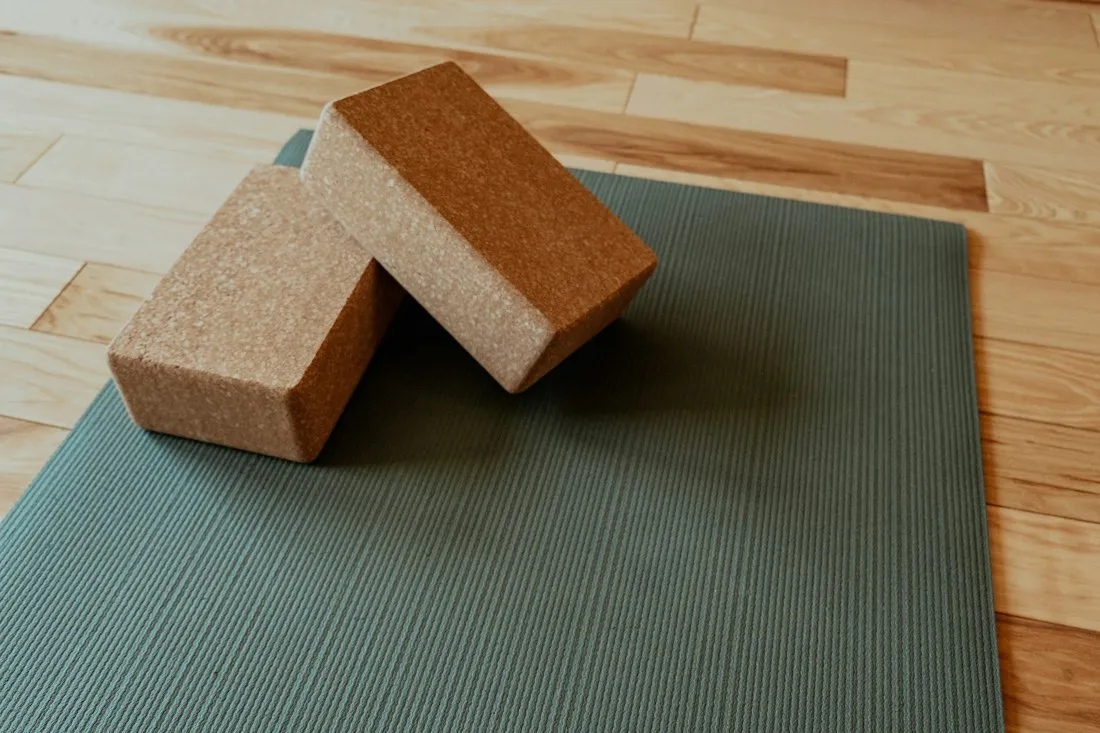
Poses explained step by step, with easier versions and props for each one.
Nine poses, step by step
What to bring, what to expect, and how to choose a style.
Start here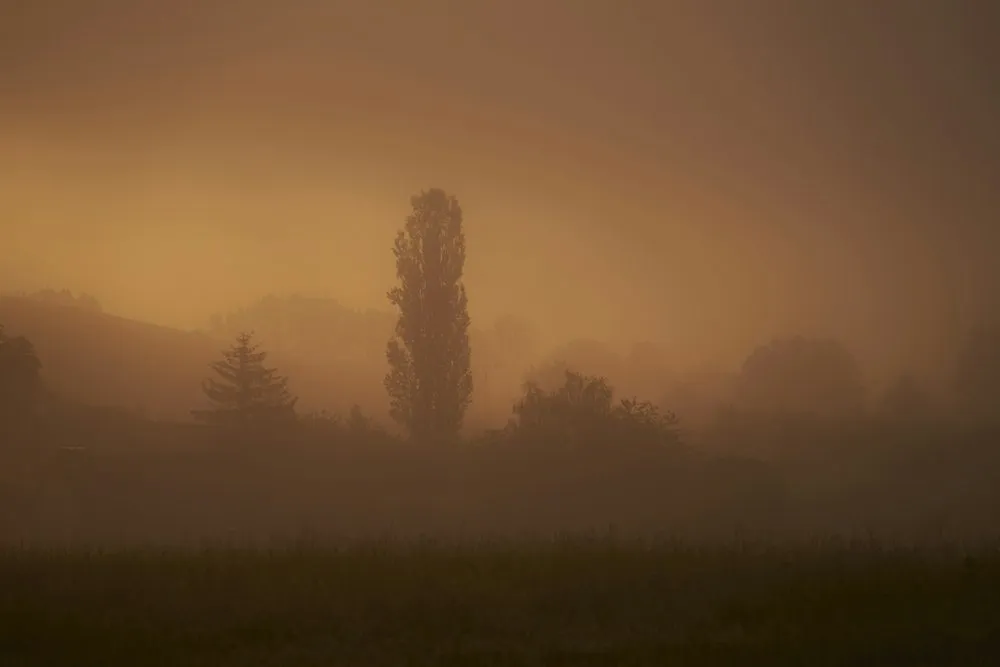
A five-minute practice, mindfulness, the body scan and yoga nidra.
How to meditate
The four paths, key texts and words you will hear in class, in plain language.
The four pathsPractise with care
Research suggests yoga may help with:
Source: NCCIH, Yoga: What You Need To Know · nccih.nih.gov
Questions
Yes. Styles range from gentle to very demanding, so start with a gentle or beginner class. A qualified teacher can show you easier versions of each pose.
It can help a little. For low-back pain, research suggests a small benefit, similar to other exercise and massage. A 2017 guideline from the American College of Physicians lists yoga among non-drug options for chronic low-back pain. Talk with your health care provider first.
For most pregnant women, yes, with the right precautions. Get checked by your health care provider first, expect to adapt some poses, and avoid hot yoga because it can cause overheating.
Karma (action), bhakti (devotion), jnana (knowledge) and raja (meditation). The first three are the classical paths. Raja yoga was added as a fourth in modern readings, following Swami Vivekananda.
Hot yoga has special risks linked to overheating and dehydration. Pregnant women should avoid it. If you have a health condition, ask your health care provider before you try it.
Sprains and strains, most often in the knee or lower leg. Serious injuries are rare, and the risk is lower than in higher-impact activities. People aged 65 and over are more likely to need treatment for a yoga injury.
A mat and clothes you can move in are enough. Blocks and straps are optional, and they can bring a pose closer to you.
No. Yoga can support your well-being, but it is not medical care. Don't use it to delay seeing a health care provider about a problem.